
Fake It ‘Till You Make It

For 30 days, New York influencer Brian Guan decided to live as though God were real—even though he wasn’t sure he believed it.
He called the experiment “faithless Christianity.” The idea was simple: begin practicing Christianity before believing it and see what happened. “Practice first, let faith catch up,” Guan explained.
He began attending church, reading the Bible every day, praying, discussing theology, and trying to follow the teachings of Jesus. He documented the experiment online, inviting thousands of people to watch as he wrestled publicly with questions about God and faith.
But Guan never made it to the end of the 30 days as a nonbeliever. By day 20, something had changed.
Guan was not completely unfamiliar with Christianity. He had been raised with the Christian faith but “rejected it in college.”
He later built a career in cryptocurrency but eventually walked away from it feeling “jaded” and “looking for deeper meaning.” That search eventually led him back toward the faith he had left behind.
Instead of waiting until he was convinced Christianity was true, Guan decided to begin living as though it were. His mornings included a prayer that began with the candid admission: “God, I don’t know if you’re real, but…”
He read Scripture. He went to church. He considered what Jesus taught and began applying it to his life. Online, he discussed subjects ranging from addiction and dating to forgiveness.
“I’m a guy wrestling with his faith, in public, on camera,” he told his followers. “You’re welcome to wrestle with me.”
Five days into the challenge, Guan said he already felt better, although he wasn't sure whether that came from God or simply from the attention and encouragement his experiment was receiving online.
Still, he kept going. “We all believe in something,” Guan said in explanation of why he was conducting his experiment. “Believing in something beats believing in nothing.”
Then came day 20. In an emotional video, Guan announced that the experiment had become something more.
“I’m done pretending… this is real!” he said.
He went on to make clear what he now believed. “Jesus Christ is my Lord and Saviour,” Guan said. Further elaborating, he shared what had changed: “At some point you have to make a decision.”
He then spoke directly to his followers about Christ and the gospel: “Are you going to believe that Jesus Christ is real, and died for your sins on the cross? Three days later he rose again—that’s my God, bro.”
The man who had begun the challenge unsure whether God even existed was now publicly telling his followers that Jesus Christ had died for their sins and risen from the dead.
Guan changed the description of his online challenge from “pretending” God was real to “believing God is real.”
“I’m not pretending anymore,” he said. His Bible reading continues. Now, he shares this time with his girlfriend. They’ve already finished reading the Gospel of John together and are moving on to Acts.
He also noted changes in his behavior since trusting Christ. “[Within] eight days, I was being kinder to strangers,” and his nicotine addiction had “quietly faded away.”
Guan’s unusual experiment played out publicly before thousands of people. Most searches for God aren't nearly so visible.
People at your work, waiting tables in a restaurant, behind the counter where you shop, or living next door might be asking the same questions as Guan. As Bible-believing Christians, we have the only answer that makes sense of life and eternity.
That is why giving out a simple Gospel tract can matter so much. The person who receives it may be encountering the message for the first time or the fifteenth time—but all need the answer it contains.
- See more articles on related topics:
- Evangelism
Products of interest:
-

This Was Your Life
Most Popular Chick Tract! Everything you've said or done will be played back at judgment. Are you in the Book of Life? -
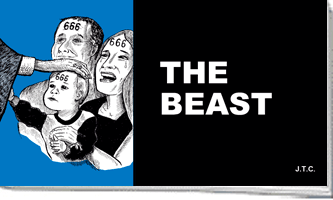
Beast, The
This Bible prophecy tract hits hard. Accept Christ or face a time of trouble like the world has never seen. -

Heart Trouble
Everyone has a problem heart . . . until Jesus makes it new. -

It's Who You Know
Sydney didn’t need Jesus. He knew all the "right" people. All except one, that is. -

Love Story, A
Who loves you so much He gave you life and left heaven to die for you? It was Jesus! -

Trust the Science
Why do we believe in Jesus? It’s not just science. It’s the eyewitnesses! -
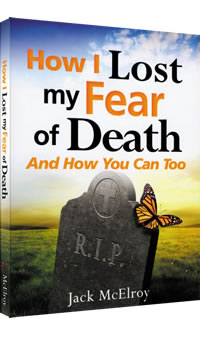
How I Lost My Fear of Death
165 pages
People live their whole lives with a nagging fear that they're going to die. Here's an easy way to help them fix it! -

It's Good For You
He said, “Jesus is good for you, but not for me. I’ve got a system all figured out.” But then he stands before God. -
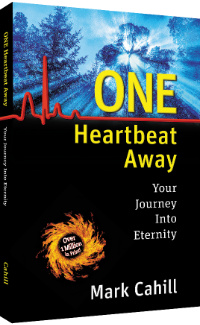
One Heartbeat Away
254 pages
You died. Now what? Is there anything out there after we take that last breath?